



RTP (Return to Player) and volatility are two essential concepts in casino games that can significantly impact your gaming experience. RTP represents the percentage of money that a slot machine or other casino game pays out in winnings compared to the amount of money it takes in. Volatility, on the other hand, refers to the frequency and size of payouts. For example, players in Australia can visit Yoju to explore various slot games with different RTP and volatility levels.
Knowing the RTP and volatility of a game can help you make informed decisions about which games to play and how much to bet. A higher RTP means that the game pays out more frequently, but the payouts may be smaller. Volatility, however, refers to the risk involved in playing a particular game. High-volatility games pay out less frequently but with larger amounts, while low-volatility games pay out more frequently but with smaller amounts.
Introduction to RTP and Volatility Types
There are different types of RTP and volatility, each with its own characteristics. High RTP games have a higher payout percentage, but the payouts may be smaller. Low RTP games, on the other hand, have a lower payout percentage, but the payouts may be larger. Volatility can be categorized into high, medium, and low, depending on the frequency and size of payouts.
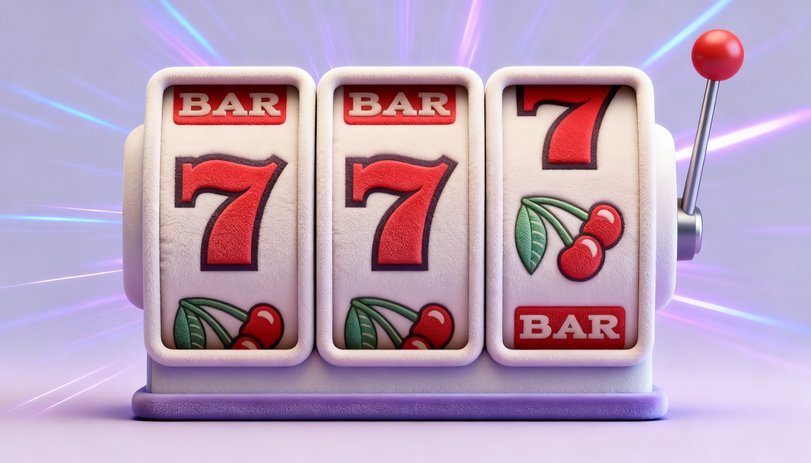
Understanding the different types of RTP and volatility can help you choose the right game for your gaming style. For example, if you’re a conservative player, you may prefer low-volatility games with a higher RTP. If you’re a risk-taker, you may prefer high-volatility games with a lower RTP.
Factors Affecting RTP and Volatility
Game Design and Mechanics
Game design and mechanics can significantly impact RTP and volatility. Game design refers to the overall structure and features of a game, including the number of reels, paylines, and bonus features. Game mechanics refer to the specific rules and algorithms that govern how the game pays out. For example, a game with a high number of paylines may have a higher RTP, but the payouts may be smaller.

Bonus features, such as free spins and bonus rounds, can also impact RTP and volatility. Bonus features can increase the payout percentage of a game, but they can also increase the volatility. For example, a game with a high-volatility bonus feature may pay out less frequently, but with larger amounts.
Choosing the Right RTP and Volatility
Choosing the right RTP and volatility for your gaming style can significantly impact your chances of winning. If you’re a conservative player, you may prefer games with a higher RTP and lower volatility. If you’re a risk-taker, you may prefer games with a lower RTP and higher volatility.
It’s also important to consider your bankroll and gaming goals when choosing an RTP and volatility. Set a budget and stick to it, and adjust your bets and bankroll to match your gaming goals. You can also manage your bankroll by adjusting your bets and bankroll to match your gaming style.
FAQ
What is RTP, and how does it affect my chances of winning?
RTP represents the percentage of money that a slot machine or other casino game pays out in winnings compared to the amount of money it takes in. A higher RTP means that the game pays out more frequently, but the payouts may be smaller.
What is volatility, and how does it affect my gaming experience?
Volatility refers to the frequency and size of payouts. High-volatility games pay out less frequently but with larger amounts, while low-volatility games pay out more frequently but with smaller amounts.